How to Choose the Right Cooling System Design in 2026?
Choosing the right Cooling system design in 2026 requires more than comparing equipment prices. Energy costs, extreme weather, indoor air quality, and changing efficiency standards now influence every serious project. A system that performs well in a mild climate may struggle during a prolonged heatwave.
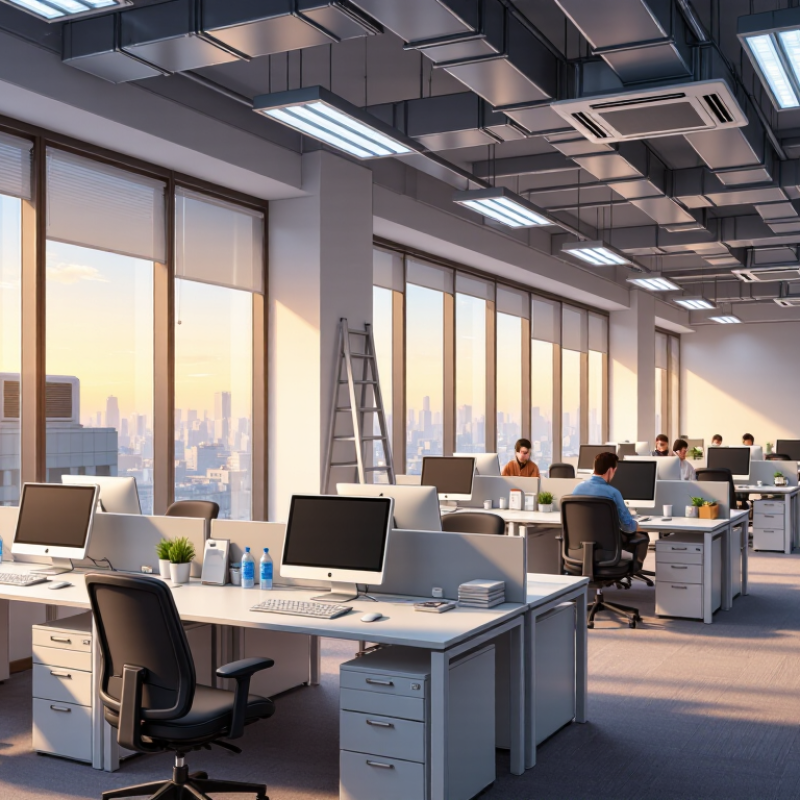
Picture a small office with west-facing glass, crowded workstations, and a rooftop unit exposed to afternoon sun. Its cooling load changes throughout the day. Small details matter. Occupancy patterns, humidity, insulation, maintenance access, and local grid conditions can alter the best design. There is no universal answer.
A reliable selection process begins with measured building data and clearly stated operating goals. Qualified engineers should assess peak loads, part-load efficiency, controls, refrigerant choices, noise, and service requirements. Independent testing and recognized standards provide stronger evidence than marketing claims. Ask harder questions. Can technicians repair the system locally? Will replacement parts remain available? Can the design adapt to future heat and occupancy changes?
Experience also reveals uncomfortable gaps. Simulation results may look precise, yet they depend on imperfect assumptions. A design can meet its predicted efficiency and still disappoint users because of poor airflow or weak commissioning. That possibility deserves attention. Reviewing field performance, maintenance records, and verified case studies creates a more trustworthy decision. The right choice balances resilience, cost, comfort, environmental impact, and practical operation over the system’s full life.
Cooling System Fundamentals and Design Objectives in 2026
How to Choose the Right Cooling System Design in 2026?
Cooling system design begins with heat, not equipment. Estimate the actual thermal load from processors, lighting, motors, people, and weather. Peak demand matters, but part-load performance matters every day. A reliable design also measures temperature, humidity, airflow, and pressure. Small errors can become expensive problems.
The main objective is stable operation with reasonable energy use. Keep critical spaces within their required temperature range. Control moisture before it causes corrosion, condensation, or uncomfortable conditions. Select airflow paths that avoid hot spots near sensitive equipment. Include filtration, access space, noise limits, and safe working clearances. These details are easy to ignore during early planning.
My first cooling designs often used generous safety margins. That felt responsible, but oversized systems cycled frequently and wasted energy. I now compare measured loads with calculated loads, then test assumptions against seasonal conditions. Redundancy should match the risk, not simply increase capacity. Maintenance access is equally important. A system that performs well on paper may fail when technicians cannot reach a blocked filter or leaking connection. Use verified data, documented commissioning, and regular performance checks. Keep questioning the original assumptions.
How to Choose the Right Cooling System Design in 2026? - Cooling System Fundamentals and Design Objectives in 2026
| Cooling System Design | Typical Heat-Rejection Method | Typical Efficiency Indicator | Best-Fit Applications | Key Advantages | Main Constraints |
|---|---|---|---|---|---|
| Air-Cooled Chiller | Condenser fans reject heat directly to outdoor air. | Typical full-load COP: approximately 2.5–3.5. | Small to medium commercial buildings, water-constrained sites, and moderate climates. | Lower installation complexity, no cooling-tower water treatment, and simpler maintenance. | Higher performance degradation during hot weather and greater outdoor noise potential. |
| Water-Cooled Chiller | Condenser water transfers heat to a cooling tower or dry cooler. | Typical full-load COP: approximately 4.5–6.5, excluding or depending on auxiliary systems. | Large buildings, campuses, hospitals, and facilities with high, steady cooling demand. | High efficiency at larger capacities and good performance in hot climates. | Requires water management, cooling-tower maintenance, additional pumps, and more plant space. |
| Direct Expansion (DX) | Refrigerant evaporates directly in indoor or process-side coils. | Typical seasonal efficiency: approximately 10–18 SEER for comfort applications, depending on equipment and region. | Homes, retail spaces, offices, packaged units, and distributed cooling zones. | Fast response, zoning flexibility, and relatively compact installation. | Refrigerant piping limits, distributed maintenance, and reduced suitability for very large central loads. |
| Chilled-Water System | A central chiller produces chilled water for air-handling or process coils. | Typical chilled-water supply temperature: approximately 4–7°C for comfort cooling. | Medium to large buildings, campuses, industrial processes, and high-density facilities. | Centralized control, efficient load diversity, and scalable distribution. | Higher first cost, water-loop maintenance, and more complex controls. |
| Evaporative Cooling | Water evaporation lowers air temperature toward the outdoor wet-bulb temperature. | Cooling effectiveness commonly ranges from approximately 70–90% for well-designed direct systems. | Dry climates, warehouses, workshops, and selected data-center or industrial applications. | Very low compressor energy and effective operation in dry climates. | Adds humidity, consumes water, and provides limited performance in humid weather. |
| Free Cooling / Economizer | Uses favorable outdoor air or a low-temperature ambient source to reduce compressor operation. | Compressor energy reduction can exceed 50% during suitable weather conditions. | Cold or mild climates, data centers, offices, and process facilities with suitable air quality. | Lower operating cost, reduced peak electrical demand, and lower compressor runtime. | Weather-dependent; requires filtration, humidity control, and careful contaminant management. |
| Liquid Cooling for High-Density Loads | Coolant removes heat directly from processors, power electronics, or other high-heat components. | Suitable for rack or equipment heat densities above approximately 20–30 kW, depending on the design. | High-performance computing, artificial-intelligence workloads, and dense industrial electronics. | High heat-transfer capacity, improved space efficiency, and lower airflow requirements. | Requires leak prevention, coolant-quality control, specialized distribution, and maintenance procedures. |
Core Cooling System Design Objectives for 2026
| Design Dimension | Recommended Objective | Practical Evaluation Metric | Why It Matters |
|---|---|---|---|
| Energy Efficiency | Optimize the system for both peak and part-load operation. | Seasonal efficiency, annual kWh per unit of cooling, and system-level COP. | Many cooling systems operate below design peak for most of the year. |
| Reliability and Resilience | Provide redundancy, maintainability, and protection against single points of failure. | N+1 or equivalent redundancy, uptime target, mean time to repair, and service accessibility. | Cooling interruptions can damage equipment, interrupt operations, or affect occupant safety. |
| Water Stewardship | Minimize water consumption where local supply is limited or water risk is high. | Liters of water consumed per kWh of cooling and annual makeup-water demand. | Cooling towers can improve energy efficiency but may increase water use. |
| Refrigerant Management | Select lower-impact refrigerants and design for leak detection, recovery, and safe servicing. | Global warming potential, leak rate, charge size, and compliance with applicable regulations. | Refrigerant regulations and environmental requirements continue to influence equipment selection. |
| Load Flexibility | Match capacity to changing occupancy, weather, production, and computing loads. | Turndown ratio, variable-speed control, staging capability, and response time. | Oversized equipment can cycle frequently and waste energy at low loads. |
| Indoor Environmental Quality | Maintain stable temperature, humidity, ventilation, and air cleanliness. | Temperature stability, relative humidity range, ventilation rate, filtration level, and acoustic performance. | Comfort, productivity, equipment protection, and health depend on controlled indoor conditions. |
| Digital Monitoring | Use sensors, alarms, trend data, and automated fault detection to improve operation. | Sensor coverage, data resolution, alarm response time, and fault-detection accuracy. | Continuous visibility helps identify performance drift before it becomes a failure. |
| Lifecycle Cost | Evaluate capital cost, energy, water, maintenance, replacement, and disposal costs together. | Total cost of ownership over the planned service life. | A lower initial price may result in higher operating and maintenance costs. |
Related Posts
-
What are the Latest Trends in Cooling Systems?
-
China Top Innovations in Cooling System Development Trends and Technologies?
-
10 Essential Tips for High Performance Cooling Solutions
-
2026 Best Next Generation Cooling Technologies for a Sustainable Future?
-
Top Innovations in Cooling System Development Today?
-
2026 Top Liquid Cooling Technology Trends for Global Buyers?