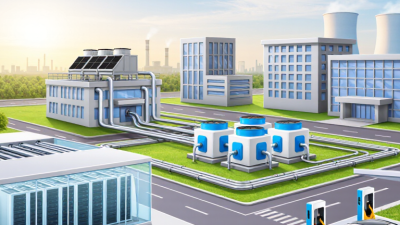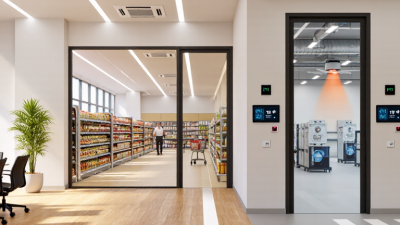
China’s cooling industry is moving beyond standalone chillers and air conditioners. Cooling system integration now connects equipment, controls, hydronic networks, thermal storage, monitoring, and maintenance. This shift matters as buildings face higher temperatures, tighter energy targets, and stricter operating budgets.
The International Energy Agency’s The Future of Cooling report warns that global space-cooling demand could more than triple by 2050 without stronger efficiency measures. The IEA Energy Efficiency 2024 report also highlights cooling as a major driver of electricity demand in many economies. China’s scale makes this market especially important. Large factories, hospitals, data centers, and commercial complexes need stable temperatures, clean air, and measurable energy performance. A poorly balanced chilled-water loop can waste energy every operating hour. A well-integrated system can reveal pressure changes, abnormal loads, and maintenance risks through a building management platform.
This article introduces ten leading Chinese companies associated with cooling equipment, engineering delivery, automation, and lifecycle services. The selection should not be treated as a universal ranking. Market position changes. Public information is also uneven. We will consider manufacturing capability, project experience, control integration, energy-saving performance, certifications, and after-sales coverage. Relevant evidence may include annual reports, company disclosures, industry publications, and standards-based project references.
Real installations tell a clearer story. Look for commissioning records, stable supply temperatures, responsive service teams, and transparent performance data. No list is perfect. That is worth remembering. Companies strong in equipment manufacturing may not lead complex integration projects, while specialized engineering firms may offer deeper site experience.
China Top 10 Cooling System Integration Companies?
China’s cooling system integration industry covers more than equipment sales. It combines cooling-load analysis, system design, equipment selection, controls, installation, commissioning, and lifecycle maintenance. Typical projects serve commercial buildings, factories, data centers, cold-chain facilities, and district cooling networks. The boundary is not always clean. Some contractors only install machines, while true integrators coordinate thermal performance, electrical demand, water quality, and building automation.
The International Energy Agency’s The Future of Cooling report estimates that cooling already uses about 10% of global electricity. It also projects cooling demand could more than triple by 2050 without stronger efficiency measures. UNEP’s 2022 Global Status Report for Buildings and Construction states that buildings consume roughly 30% of global final energy. These figures explain why China’s market increasingly values high-efficiency chillers, variable-speed pumps, heat recovery, and intelligent controls. A successful integration project should show measured results, not attractive specifications alone.
Evaluation requires practical evidence. Reviewers should examine design calculations, seasonal operating data, commissioning records, and maintenance response times. Energy performance can change sharply when filters clog or sensors drift. This detail is often underestimated. A top-ten list may also mislead if it compares installers, engineering firms, and technology suppliers using the same criteria. A more reliable definition separates integration capability from manufacturing scale, then checks safety, compliance, project experience, and verified energy savings across different climates.
Typical design temperature ranges across major cooling-system integration applications in China
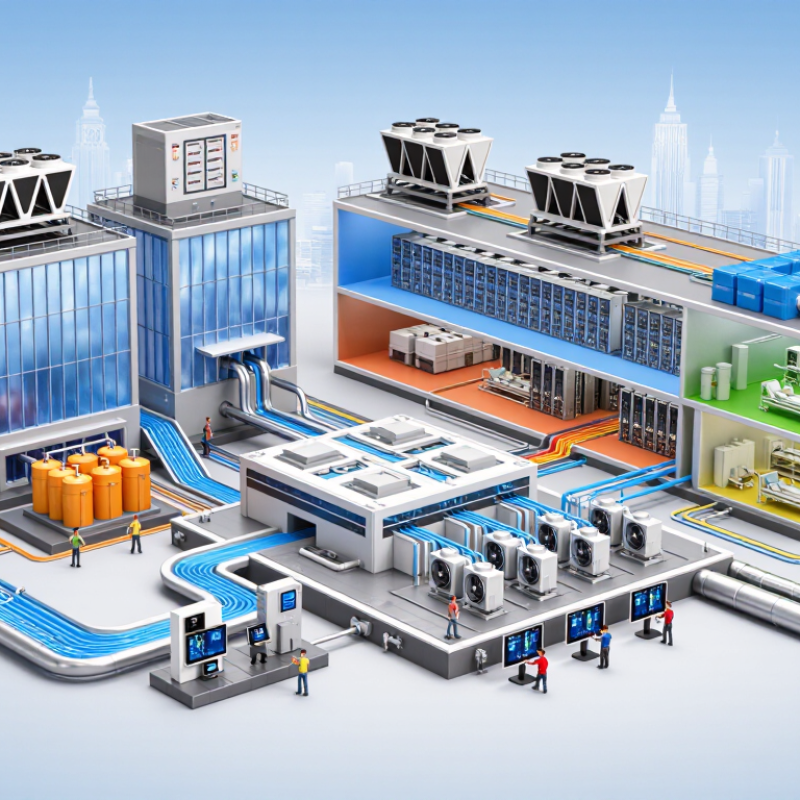
Cooling system integration combines refrigeration equipment, heat-exchange units, pumps, controls, piping, monitoring, and energy-management services into one operating system. The ranges shown are common engineering reference ranges: actual project values vary according to climate, load profile, refrigerant, equipment selection, and applicable Chinese standards.
China Top 10 Cooling System Integration Companies?
Selecting the top ten cooling system integrators requires more than checking revenue figures. The process examines engineering experience, project scale, and verified delivery records. Companies must show practical results in data centers, industrial plants, commercial buildings, or other demanding facilities. We review cooling capacity, temperature stability, energy performance, and system controls. Site evidence matters.
Technical competence is assessed through design documents, commissioning records, maintenance plans, and safety procedures. We also examine how integrators combine chillers, pumps, heat exchangers, sensors, and control platforms. Strong candidates explain their decisions clearly. They do not hide operating limits or maintenance risks. Customer references and independent project feedback support the evaluation.
No scoring model is perfect. A successful project may depend on local climate, operator skill, or unusual site conditions. A site visit can still miss hidden weaknesses. Therefore, the selection uses several evidence sources instead of one ranking formula. We compare lifecycle costs, response times, spare-parts planning, and staff qualifications. Compliance with applicable standards is also checked. The final list reflects balanced performance, not promotional visibility.
An objective evaluation framework for identifying qualified cooling system integrators in China
| No. | Evaluation Dimension | Weight | What Is Evaluated | Recommended Evidence | Scoring Scale |
|---|---|---|---|---|---|
| 1 | System Integration Capability | 20% | Ability to design and integrate chillers, cooling towers, pumps, heat exchangers, piping, controls, and auxiliary equipment as one coordinated system. | Approved design drawings, system architecture, commissioning records, and project references. | 0–10 |
| 2 | Cooling Performance | 15% | Capacity stability, temperature control, redundancy planning, part-load performance, and suitability for the intended application. | Performance test reports, design calculations, factory acceptance tests, and operating data. | 0–10 |
| 3 | Energy Efficiency | 15% | Power consumption, seasonal efficiency, variable-speed control, heat recovery potential, and lifecycle operating cost. | Energy models, measured operating data, efficiency calculations, and lifecycle cost analysis. | 0–10 |
| 4 | Automation and Monitoring | 10% | Centralized monitoring, alarms, data logging, remote diagnostics, control compatibility, and cybersecurity practices. | Control narratives, interface lists, sample dashboards, alarm matrices, and integration test records. | 0–10 |
| 5 | Engineering and Customization | 10% | Ability to adapt system capacity, footprint, climate conditions, water quality, electrical requirements, and site constraints. | Detailed engineering portfolio, site surveys, 3D layouts, calculations, and change-control procedures. | 0–10 |
| 6 | Project Delivery | 10% | Planning, procurement coordination, installation management, commissioning, schedule control, and documentation quality. | Project schedules, completion records, commissioning plans, quality plans, and handover documents. | 0–10 |
| 7 | Compliance and Safety | 8% | Compliance with applicable Chinese regulations, electrical and pressure-system requirements, environmental rules, and site safety standards. | Certificates, inspection reports, risk assessments, safety procedures, and compliance documentation. | 0–10 |
| 8 | After-Sales Service | 6% | Preventive maintenance, spare-parts availability, response time, technical support, operator training, and warranty handling. | Service-level agreements, maintenance plans, service-center coverage, training records, and response-time data. | 0–10 |
| 9 | Supply-Chain Reliability | 4% | Availability of critical components, supplier qualification, quality consistency, delivery stability, and spare-parts continuity. | Supplier audits, quality-control procedures, inventory policies, and delivery-performance records. | 0–10 |
| 10 | Commercial Value | 2% | Total cost of ownership, quotation transparency, payment terms, warranty coverage, and measurable value over the system lifecycle. | Itemized quotations, lifecycle-cost comparisons, warranty terms, and contract conditions. | 0–10 |
| Total | 100% | Weighted scores are combined to produce a comparable overall evaluation. | |||
| Rule | Application |
|---|---|
| Minimum Technical Threshold | A candidate should achieve at least 6 out of 10 in System Integration Capability and Cooling Performance before being considered for the final ranking. |
| Evidence Verification | Scores should be based on verifiable project records, test results, certifications, customer references, and documented operating performance. |
| Weighted Total Score | Each category score is multiplied by its assigned weight, and the results are added to create a score out of 100. |
| Top-Ten Selection | The ten highest-scoring qualified integrators are selected after technical, compliance, delivery, and service information has been reviewed. |
| Periodic Review | Rankings should be reviewed periodically because project experience, service coverage, product availability, and compliance status can change over time. |
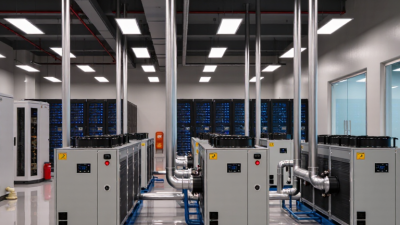
China’s leading cooling system integration companies serve data centers, factories, hospitals, and cold-chain facilities.
Their strength is not limited to equipment supply. They combine load analysis, piping design, controls, installation, and commissioning. Some focus on high-density server rooms, using liquid cooling and redundant pumps. Others specialize in industrial process cooling, where stable temperature and water quality matter more than appearance. A reliable integrator usually provides tested drawings, maintenance records, and clear energy estimates. Claims still require verification. Site conditions can change the final result.
Tips: Ask for a measured efficiency report, not only a brochure. Check how the company handles partial-load operation, emergency repairs, and seasonal temperature changes. Request references from facilities with similar cooling loads. Inspect control dashboards during a site visit. Small details matter.
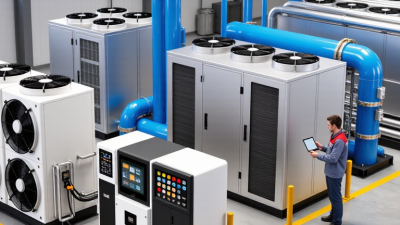
Experienced Chinese integrators often support the full project cycle, from early surveys to post-installation service. Their engineers may balance airflow in a clean production area or adjust chilled-water flow across several buildings. Strong teams document pressure readings, vibration levels, and commissioning results. They also explain limitations instead of promising perfect savings. That is a useful sign. However, service quality can vary between regions and subcontractors. Buyers should review response times, spare-parts access, worker qualifications, and contract responsibilities before approval. It is not perfect. Careful comparison remains necessary.
China’s top ten cooling system integration companies should be compared by capability, not visibility alone. A reliable review examines chilled water, direct expansion, immersion, and liquid cooling technologies. Each solution fits different heat loads and operating conditions. For example, a data center may require redundant pumps, precise airflow control, and continuous temperature monitoring. A food processing plant may prioritize hygiene, stable humidity, and easy maintenance. Technology must match the industry.
Project capability is equally important. Review completed installations, cooling capacity, control architecture, commissioning records, and after-sales response. A strong integrator can coordinate engineering, equipment selection, installation, testing, and staff training. Ask for evidence from projects with similar climate, scale, and operating hours. Site verification matters. A neat spreadsheet can still mislead. I have seen technically impressive proposals overlook pipe access, drainage, or seasonal load changes. Those details become expensive later.
Tips: Compare lifecycle cost, not only purchase price. Request a clear energy model and spare-parts plan. Check whether controls can connect with existing building systems. Confirm performance guarantees in writing. Also, allow time for factory inspection and on-site commissioning. Perfect forecasts are rare. A careful comparison should leave room for uncertainty, maintenance skills, and future expansion.
Choosing among China’s top cooling system integration companies requires more than comparing equipment prices. Start with the project’s heat load, operating hours, space limits, and water quality. A competent integrator should explain its calculations clearly, not hide them behind impressive charts. Ask for similar project references, commissioning records, and measurable energy results.
Engineering depth matters. Review the team’s experience with controls, heat exchangers, pumps, pipe networks, and emergency backup. Request drawings that show access for cleaning and future repairs. Small details matter. A crowded maintenance area can create years of unnecessary cost. Check whether the integrator can coordinate civil work, electrical systems, insulation, and local safety requirements. Independent certifications and documented testing add credibility, but they do not replace technical questions.
Service reliability deserves equal attention. Confirm response times, spare-parts availability, remote monitoring, and technician coverage after installation. Ask how performance is tested during peak summer conditions, rather than accepting factory data alone. A site visit can reveal noise, vibration, drainage, and control issues that brochures omit. No audit is perfect. Some references may be unusually favorable, and projected savings may be optimistic. Require assumptions, warranty boundaries, and penalty terms in writing. It is also wise to compare lifecycle cost, not only the initial quotation, because an inexpensive system may consume more power and demand frequent maintenance.